Key Takeaways:
- Nutritional Support: Salmon provides high-quality protein, omega-3 fatty acids, vitamins, and minerals that support overall canine health.
- Safe Preparation Matters: Fully cooked, boneless salmon without added seasonings is the safest way to serve this fish to dogs.
- Balanced Feeding Approach: Salmon can be offered as an occasional addition or through complete salmon-based dog foods formulated for everyday nutrition.
Many pet owners wonder if salmon is a safe and healthy choice for their dog's diet. While this fish is packed with nutrients, knowing how to prepare and serve it properly is important for keeping your dog healthy.
Muenster Pet has been crafting dog food for more than 50 years and have spent decades helping pet owners better understand canine nutrition. Their experience with quality ingredients gives valuable insight into how protein sources like salmon can support overall health.
This piece evaluates whether dogs can eat salmon, covering the nutritional benefits, potential risks, and best preparation methods to help pet owners make confident, informed choices for their pups.
Can Dogs Eat Salmon?
Yes, dogs can eat salmon when it is properly cooked and served in appropriate portions. Salmon is a nutrient-rich fish that provides high-quality protein along with important vitamins and minerals that can support your dog's overall health. Many commercial dog foods include salmon as a primary protein source because it is highly digestible and contains beneficial omega-3 fatty acids. These nutrients can help support healthy skin, a shiny coat, and normal immune function in dogs of all ages.
While salmon can be a healthy addition to your dog's diet, proper preparation is essential. Raw or undercooked salmon may contain harmful parasites and bacteria that can pose serious health risks. Choosing cooked or freeze-dried salmon and feeding it in moderation helps your dog enjoy its nutritional benefits safely.

Is Salmon Good for Dogs? Key Nutrients and Health Support
Salmon is often included in canine diets because it offers a combination of protein, healthy fats, and essential nutrients that support overall wellness. Understanding what salmon provides can help pet owners make informed decisions about incorporating it into their dog's nutrition plan:
High-Quality Protein
Protein plays an important role in maintaining muscle mass, supporting tissue repair, and providing energy for daily activities. Salmon contains complete protein, meaning it provides the essential amino acids dogs need to thrive. For pet owners comparing salmon against other options, a closer look at the best protein for dogs can help determine where salmon fits within a complete and balanced feeding plan.
Omega-3 Fatty Acids
One of salmon's most recognized nutritional benefits is its omega-3 fatty acid content. These healthy fats help support skin health, coat condition, joint function, and normal cognitive health throughout a dog's life.
Vitamins and Minerals
Salmon contains valuable nutrients such as vitamin B12, vitamin D, potassium, and selenium. Together, these nutrients contribute to healthy metabolism, immune function, and overall well-being.
A Nutritious Option for Many Dogs
For dogs that enjoy fish-based proteins, salmon can be an excellent addition to a balanced diet. Pet owners looking to learn more about is salmon good for dogs can explore how this protein source may fit into their dog's nutritional needs. Pet owners looking to learn more about whether salmon is good for dogs can explore how this protein source may fit into their dog's nutritional needs.

Potential Benefits Along With Important Safety Considerations
Salmon can be a nutritious addition to a dog's diet, offering valuable health benefits when served properly. However, safe preparation is important to help reduce potential risks:
- Supports Skin, Coat, and Muscle Health: Salmon provides omega-3 fatty acids that help support healthy skin and a shiny coat, along with high-quality protein that promotes muscle maintenance. It can also be a beneficial alternative protein source for some dogs as part of a balanced diet.
- Raw Salmon Can Be Risky: Raw or undercooked salmon may contain parasites and harmful bacteria that can make dogs sick. Cooking salmon thoroughly or freeze-drying helps make it safer for consumption.
- Avoid Bones and Harmful Additives: Always remove bones before serving salmon to your dog. Ingredients such as garlic, onions, excessive salt, and strong seasonings should also be avoided, as they may be harmful to dogs.
How to Prepare and Serve Salmon for Dogs
Proper preparation helps make salmon a safe and nutritious treat for dogs. Following a few simple guidelines can help your dog enjoy its benefits:
- Cook Salmon Thoroughly: Always serve salmon fully cooked using simple methods such as baking, poaching, or grilling without added seasonings. If you do not want to deal with preparation and cooking, consider purchasing freeze-dried salmon for your dog.
- Remove Bones: Check for and remove all bones before serving to help prevent choking or digestive issues.
- Avoid Seasonings: Skip ingredients like garlic, onions, excessive salt, sauces, and butter, which may be harmful to dogs.
- Feed in Moderation: Salmon should be offered as part of a balanced diet, either as an occasional treat, topper, or meal addition. Complete and balanced options like fish and salmon pet food can provide the nutritional benefits of salmon in a dog-friendly formula.
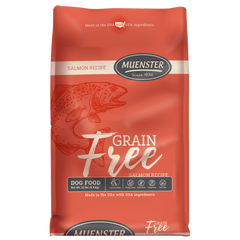
- Consider Salmon-Based Dog Food: Complete and balanced options like fish and salmon pet food and grain-free salmon dog food can provide the nutritional benefits of salmon in a dog-friendly formula.

Final Thoughts
Salmon can be a healthy addition to your dog's diet when it is properly cooked, served in appropriate portions, and included as part of a balanced feeding plan. Its high-quality protein, omega-3 fatty acids, and essential nutrients can support everything from skin and coat health to overall wellness.
While salmon offers many nutritional benefits, safe preparation is key. By avoiding raw fish, removing bones, and choosing dog-friendly salmon recipes or foods, pet owners can confidently incorporate this nutritious protein into their dog's diet. For pet owners looking for a complete daily option, grain free salmon dog food delivers the nutritional benefits of salmon in a formula designed for everyday feeding.
Frequently Asked Questions About Feeding Dogs Salmon
Can dogs eat salmon skin?
Yes, dogs can eat salmon skin if it is fully cooked and free from seasonings, oils, and sauces. Because salmon skin is high in fat, it should be offered in moderation to help prevent digestive upset.
Can dogs eat canned salmon?
Dogs can eat canned salmon as long as it is packed in water and contains no added salt, seasonings, or flavorings. Always check the ingredient list before serving.
Can dogs be allergic to salmon?
Although salmon is often used in limited-ingredient diets, some dogs can still develop an allergy or sensitivity to fish proteins. Signs may include itching, digestive issues, or recurring ear problems.
Can senior dogs eat salmon?
Yes, salmon can be a suitable protein source for senior dogs. Its nutrient profile may help support aging dogs when included as part of a balanced diet tailored to their needs.
Can puppies eat salmon?
Puppies can eat cooked salmon in small amounts once they are eating solid foods. It should be introduced gradually and fed alongside a complete puppy diet.
What fish should dogs avoid?
Dogs should avoid fish with high mercury levels, such as swordfish, king mackerel, and tilefish. Lower-mercury fish options are generally preferred for regular feeding.