Key Takeaways:
- Working Dogs Have Protein Needs That Go Beyond the Average Pet: Their muscles, recovery demands, and sustained energy output require a diet built around real, high-quality animal protein.
- The First Ingredient On The Label Tells You A Lot: Named whole proteins like chicken, beef, or salmon at the top of the list signal a formula built for performance, not just palatability.
- Muenster Delivers High-Protein Nutrition Made In Texas For Dogs That Work Hard Every Day: With protein-forward recipes across kibble and freeze-dried formats, Muenster is formulated for dogs who earn their meal.
A working dog is not just an active dog. These are dogs bred and trained to perform demanding tasks day after day: herding, guarding, tracking, competing. Their bodies reflect that work, and what they eat needs to fit their lifestyle. Muenster has spent about 50 years formulating food for dogs who give everything they have, and that experience shapes every recipe. This piece covers protein needs for working dogs, ranks the top high-protein options, and helps you find what actually fits your dog.
Protein Needs for Working Dogs
Most adult dogs do well on 18 to 25 percent protein. Working dogs typically need more, often in the 25 to 35 percent range, to fuel consistent activity and support muscle recovery. The type of protein matters just as much as the amount. Animal-based sources like chicken, beef, and salmon deliver the complete amino acid profile dogs use for muscle repair and sustained energy. For working dogs, real meat should always be listed first on the label.
A working dog's body condition is one of the best indicators of whether protein intake is right. Consistent muscle tone, steady energy between sessions, and healthy recovery are the markers to watch. Fatigue, weight loss, or declining performance are signals worth addressing.

Best Protein Dog Food for Active Dogs: What to Look For
Protein percentage is the starting point, but quality determines how well a working dog actually benefits. Real named meat should be the first ingredient. Chicken, beef, salmon, pork. The protein source should be clearly identified as an animal protein, not a vague descriptor. Named protein meals, such as chicken meal or beef meal, can provide additional protein density when clearly sourced. Healthy fats like chicken fat and fish oil fuel sustained endurance alongside protein. Functional ingredients like glucosamine, chondroitin, and probiotics support joint integrity and nutrient absorption in dogs under consistent physical load.
High Protein Kibble Ranked: Top Brands for Working Dogs
High-protein kibble can help meet the energy and nutritional needs of working dogs, but protein content is only one factor to consider. Fat levels, calorie density, protein sources, and overall nutritional balance also matter. Here’s how leading brands compare for active and performance-driven dogs:
Muenster
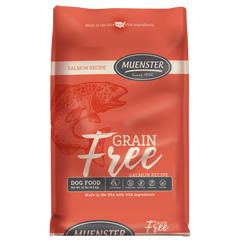
Muenster's working dog lineup spans kibble and freeze-dried formats, all built around named animal proteins. The Perfect Balance Chicken Meal and Pork Meal recipe was designed with working and athletic dogs in mind, is one of the most calorically dense formulas in the lineup, and is a consistent top seller for performance feeding. The Grain Free line sets the protein minimum at 34 percent. All recipes are AAFCO-complete and made in Muenster's own Texas facilities in either Muenster or Denton. See the full range at High-Protein Dog Foods For Working Dogs.
Purina Pro Plan Sport
A widely used performance formula with real chicken as the first ingredient, 26 percent protein, and 16 percent fat. AAFCO-complete and broadly available, with consistent quality at scale.
Diamond Naturals Extreme Athlete
Built for high-output dogs with 32 percent protein and 18 percent fat, real chicken leading the list. Strong value for working dog owners feeding in volume.
Taste of the Wild High Prairie
Uses bison and venison as lead proteins, 32 percent protein, grain-free. A solid mid-tier option for dogs that do better without grain-based carbohydrates.
Orijen Original
A biologically appropriate formula at 38 percent protein, multiple named proteins and organ meats, in-house manufacturing. Sits at a significantly higher price point.

High Protein Dog Food for Herding Breeds
Herding breeds like Border Collies, Australian Shepherds, and German Shepherds combine physical intensity with sustained mental engagement, which adds to their overall energy demand. They tend to be leaner and more agile than other working types, so protein supports muscle without contributing to excess weight. Larger herding breeds also benefit from formulas that address joint support given the wear that comes with years of daily work. For a closer look at which protein sources best support active dogs, see "What's the Best Protein for Dogs?"
What Sets Muenster Apart for Working Dogs
Muenster has been making dog food for about 50 years. Real-named protein leads every recipe, in-house R&D informs every formula, and production happens in Muenster's own Denton, Texas, facility with direct oversight at every step. For working dog owners who feed high volumes consistently, Muenster delivers premium protein at a price point that holds up over the long term.

Final Thoughts
High-protein dog food is a nutritional necessity for working dogs. Named animal proteins, balanced fat content, functional ingredients for recovery, and consistent in-house manufacturing separate formulas that truly support working dogs from those that simply market to them. Muenster checks those boxes across its full working dog lineup, at a price built for the long haul.
Frequently Asked Questions About High-Protein Dog Food for Working Dogs
What protein percentage is considered high for dog food?
Most nutritionists consider anything above 25 percent protein high for dogs. Working dogs often benefit from formulas in the 28-35% range, depending on the intensity and consistency of their workload.
Is animal protein better than plant protein for working dogs?
Animal protein provides a complete amino acid profile that dogs digest and use more efficiently. For working dogs relying on protein for muscle repair and sustained energy, animal-based sources should lead the formula.
Can too much protein harm a working dog?
Healthy working dogs generally handle higher protein levels well. The more common issue is protein quality rather than quantity, as poor-quality sources are harder to absorb and less effective at supporting muscle and recovery.
How do I know if my working dog is getting enough protein?
Watch for consistent muscle tone, steady energy between work sessions, and healthy recovery after physical activity. Fatigue, muscle loss, or declining performance may indicate protein intake needs to be adjusted.
What is the best protein source for working dogs?
Whole-protein options like chicken, beef, salmon, and pork are among the best. They provide complete amino acids, digest efficiently, and support the muscle maintenance that working dogs depend on daily.
Do herding dogs need more protein than other working breeds?
Herding breeds have high energy demands driven by both physical work and mental engagement. They benefit from high-protein formulas that support lean muscle and joint health, particularly for larger breeds that work long hours daily.